

Why Does a Law Firm Need a CRM System?
Learn why law firms need CRM software to organize clients, cases, hearings, tasks, documents, follow-ups, and daily operations.
Why Does a Law Firm Need a CRM System?
Running a law firm involves much more than tracking cases. Teams manage clients, hearings, documents, tasks, follow-ups, payments, and internal responsibilities every day.
As the number of clients and cases grows, managing this information manually becomes increasingly difficult.
What Is a CRM for a Law Firm?
A law firm CRM is a centralized system for organizing client information and connecting it with cases, hearings, tasks, documents, and follow-ups.
Instead of keeping information across spreadsheets, email, messaging apps, and folders, the firm can work from one structured environment.
Why Does a Law Firm Need CRM Software?
Centralized client information
A CRM keeps client details, communication records, related cases, and follow-ups in one place.
Better case organization
Cases can be connected to the client, responsible lawyer, tasks, hearings, documents, and status.
Hearing and appointment tracking
A centralized calendar and reminders help the team keep track of important dates and required actions.
Task management
Managers can assign tasks, set deadlines, and monitor progress instead of relying on memory or scattered messages.
Better client follow-up
A clear history of communication and next actions helps the team provide a more consistent client experience.
What Should a Law Firm CRM Include?
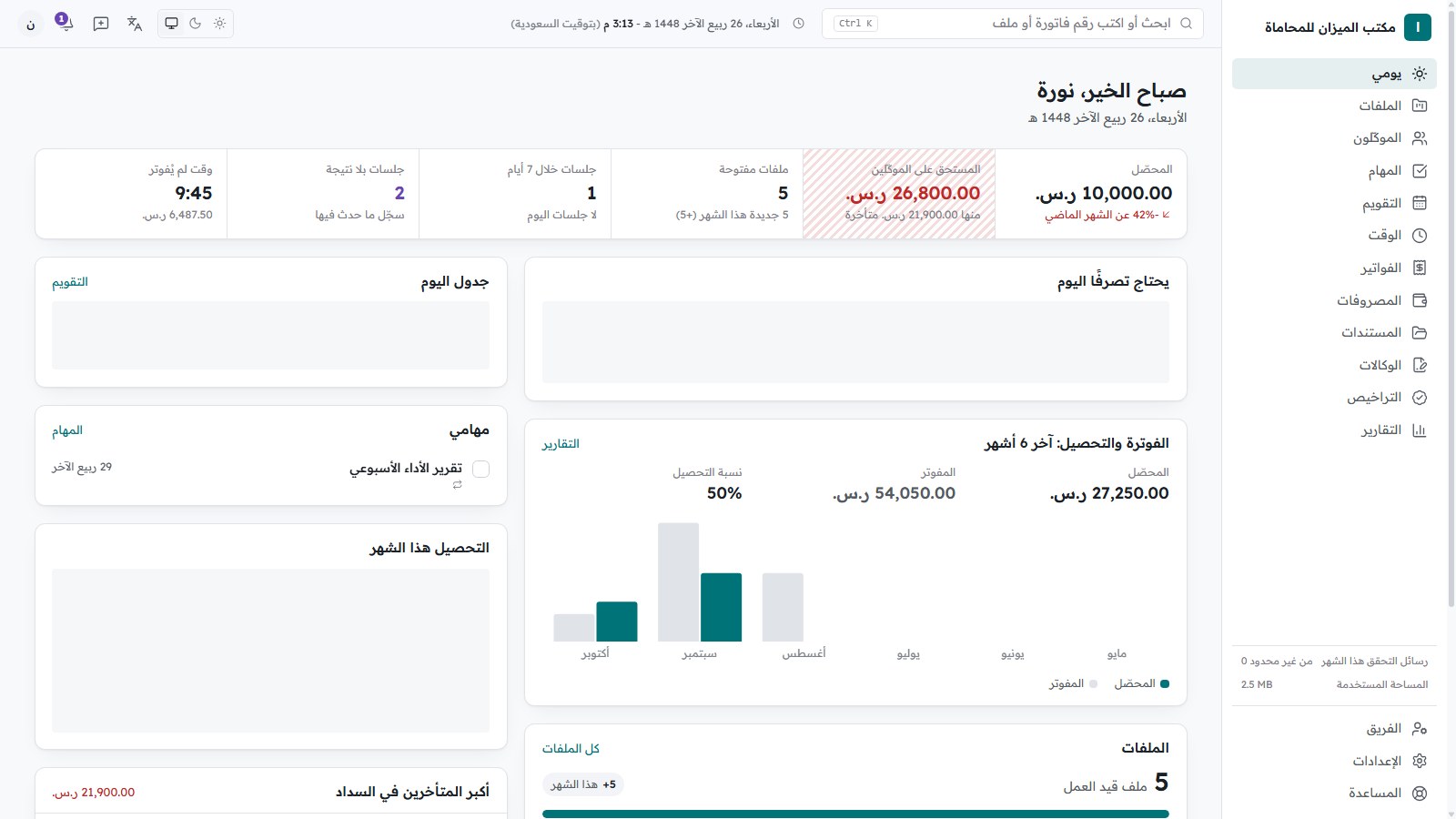
A useful system should include client management, case management, hearings and appointments, tasks, documents, notifications, permissions, reporting, financial tracking, and centralized search.
How Can Sijilaw Help?
Sijilaw is designed to help law firms organize their legal operations in a centralized environment rather than relying on disconnected tools.
If you are evaluating CRM software for your firm, start by identifying where information is currently stored and where your team loses time.
Conclusion
A CRM is not simply a database of clients. For a growing law firm, it can become a central operational system that connects clients, cases, hearings, tasks, and follow-ups.
Cases, hearings, clients and invoices in one place.
Try Sijil freeRelated articles
Law Firm Fee Pricing and Collection: A Practical Guide
Learn how law firms can document fee agreements, plan billing milestones, reconcile payments, handle follow-ups, and evaluate software for collection.
Power of Attorney Tracking and Expiry Reminders
Learn to register powers of attorney, link them to client matters, review key dates, and manage reminders without assuming a universal legal expiry rule.
Law Firm Client Portals: A Practical Setup and Workflow
Plan a law firm client portal, organize requests and permissions, protect shared documents, and evaluate software without assuming unverified features.