

What Is a Legal CRM? How It Differs from a Standard CRM
Understand legal CRM software, how it differs from a general CRM, and which workflows law firms should consider when choosing a platform.
What Is a Legal CRM? And How Is It Different from a Regular CRM?
CRM stands for Customer Relationship Management. Traditional CRM systems are usually designed around sales pipelines, leads, opportunities, and customer communication.
Law firms have a different operational model.
What Is a Legal CRM?
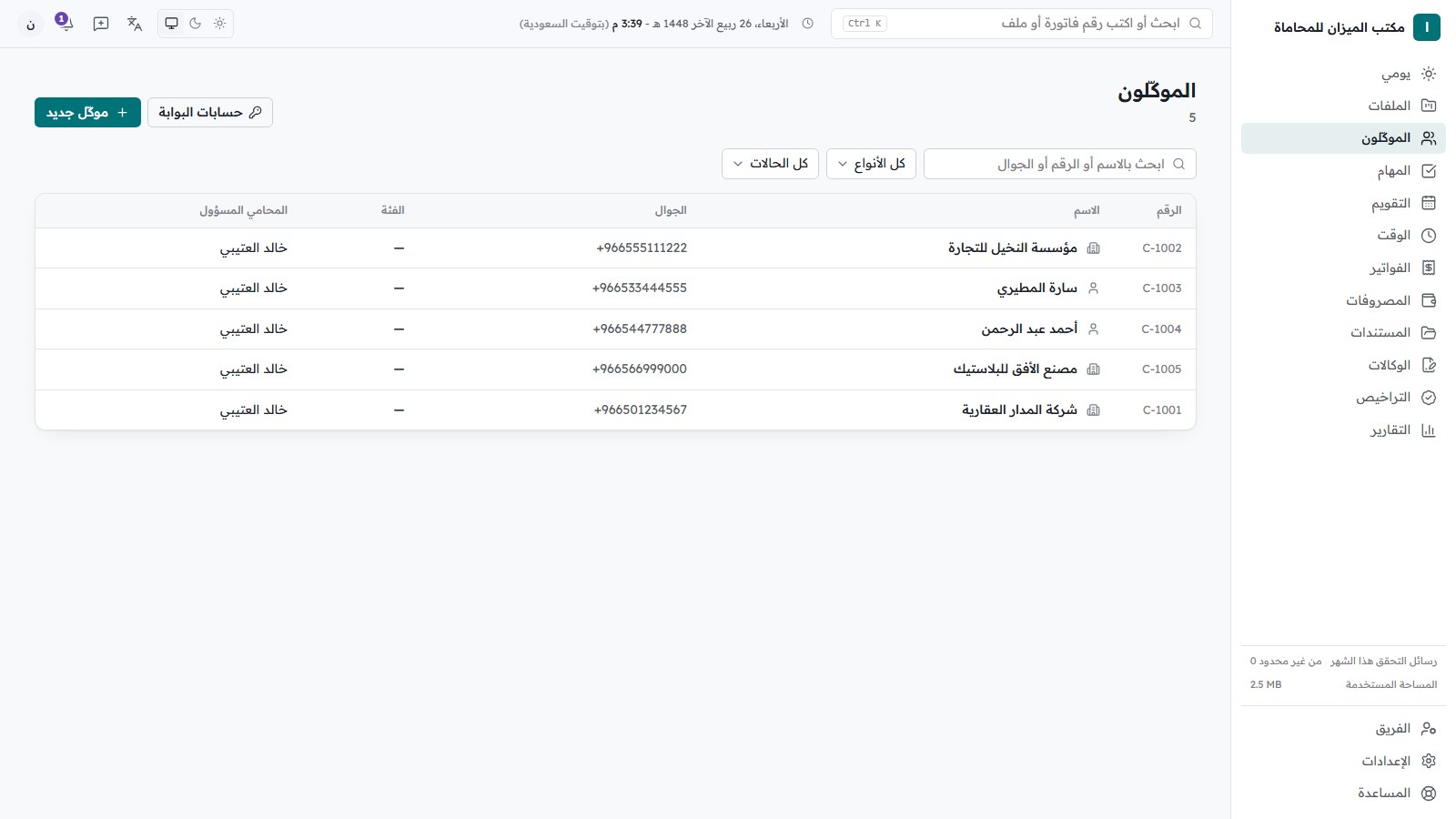
A Legal CRM is a CRM environment adapted to the needs of law firms and legal teams.
It can connect clients with cases, hearings, tasks, documents, communications, and other legal workflows.
Legal CRM vs Regular CRM
A standard CRM may focus on:
- Leads
- Sales opportunities
- Customers
- Sales activities
- Marketing communication
A legal CRM may need to manage:
- Clients and matters
- Cases
- Hearings
- Legal tasks
- Documents
- Lawyers and staff
- Payments and expenses
- Permissions and activity history
The difference is not simply terminology. It is about fitting the software to the firm's actual workflow.
Why Use a Specialized System?
When information is distributed across spreadsheets, email, messaging applications, and folders, staff spend more time searching and coordinating.
A specialized legal system connects related information so that the client, case, hearing, task, and document can be viewed together.
What Should You Look For?
When evaluating a Legal CRM, look for client management, case management, hearings, tasks, documents, notifications, permissions, reporting, financial features, and fast search.
How Sijilaw Fits In
Sijilaw is designed around law firm operations and aims to provide a centralized environment for managing the information and workflows that matter to legal teams.
Conclusion
A Legal CRM is more than a generic contact database. It is a way to organize the relationships and workflows surrounding legal work in one place.
Cases, hearings, clients and invoices in one place.
Try Sijil freeRelated articles
Law Firm Fee Pricing and Collection: A Practical Guide
Learn how law firms can document fee agreements, plan billing milestones, reconcile payments, handle follow-ups, and evaluate software for collection.
Power of Attorney Tracking and Expiry Reminders
Learn to register powers of attorney, link them to client matters, review key dates, and manage reminders without assuming a universal legal expiry rule.
Law Firm Client Portals: A Practical Setup and Workflow
Plan a law firm client portal, organize requests and permissions, protect shared documents, and evaluate software without assuming unverified features.