

Law Firm Hearing and Appointment Management
Learn how a centralized workflow can organize hearings, appointments, case dates and follow-up actions for a law firm team.
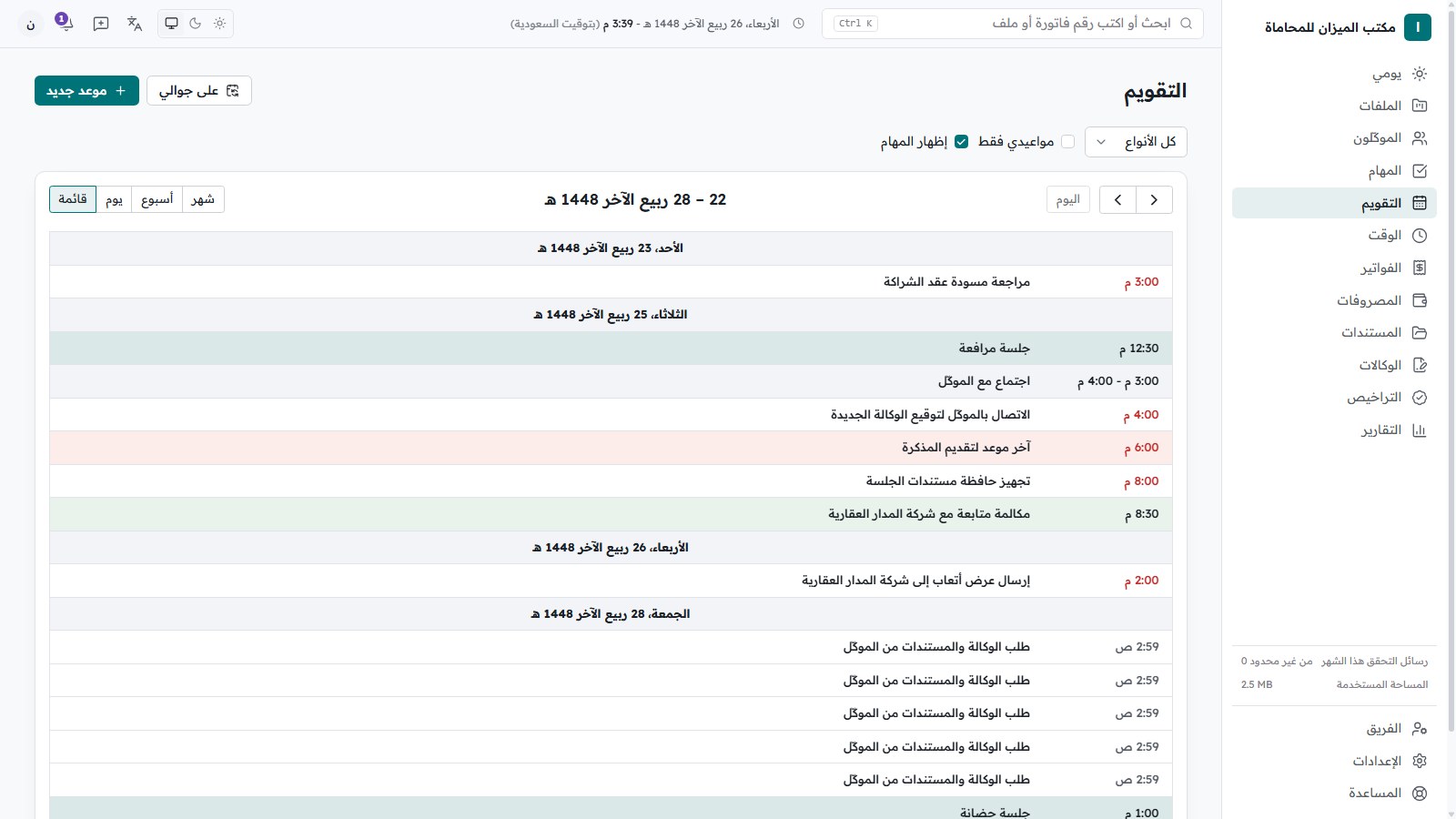
Law Firm Hearing and Appointment Management: Why You Need a System
Hearings and appointments are among the most time-sensitive data points in a law firm's daily operations. Managing them in personal calendars or separate notebooks can create unnecessary risk.
The Problem with Separate Calendars
If each lawyer records appointments differently, management may not have a complete view of the firm's upcoming schedule.
It can also be difficult to see who is responsible for a hearing or what must be completed before it.
Connect Hearings to Cases
A legal management system can associate a hearing with the relevant case and client, keeping the date within its legal context.
Reminders
Reminders help teams prepare for upcoming dates and complete required actions in advance.
Management Visibility
Management may need to see hearings across the entire team, not just one lawyer's calendar.
A centralized system makes this visibility easier.
After the Hearing
A hearing is not just a date and time. The team may need to record notes, the outcome, and the next action.
Sijilaw
Sijilaw is designed to organize legal operations in one environment, including information connected to cases, hearings, and tasks.
Conclusion
Hearing management is part of case management. Connecting dates to cases, clients, tasks, and follow-ups creates a more complete workflow than a standalone calendar.
Cases, hearings, clients and invoices in one place.
Try Sijil freeRelated articles
Law Firm Fee Pricing and Collection: A Practical Guide
Learn how law firms can document fee agreements, plan billing milestones, reconcile payments, handle follow-ups, and evaluate software for collection.
Power of Attorney Tracking and Expiry Reminders
Learn to register powers of attorney, link them to client matters, review key dates, and manage reminders without assuming a universal legal expiry rule.
Law Firm Client Portals: A Practical Setup and Workflow
Plan a law firm client portal, organize requests and permissions, protect shared documents, and evaluate software without assuming unverified features.